

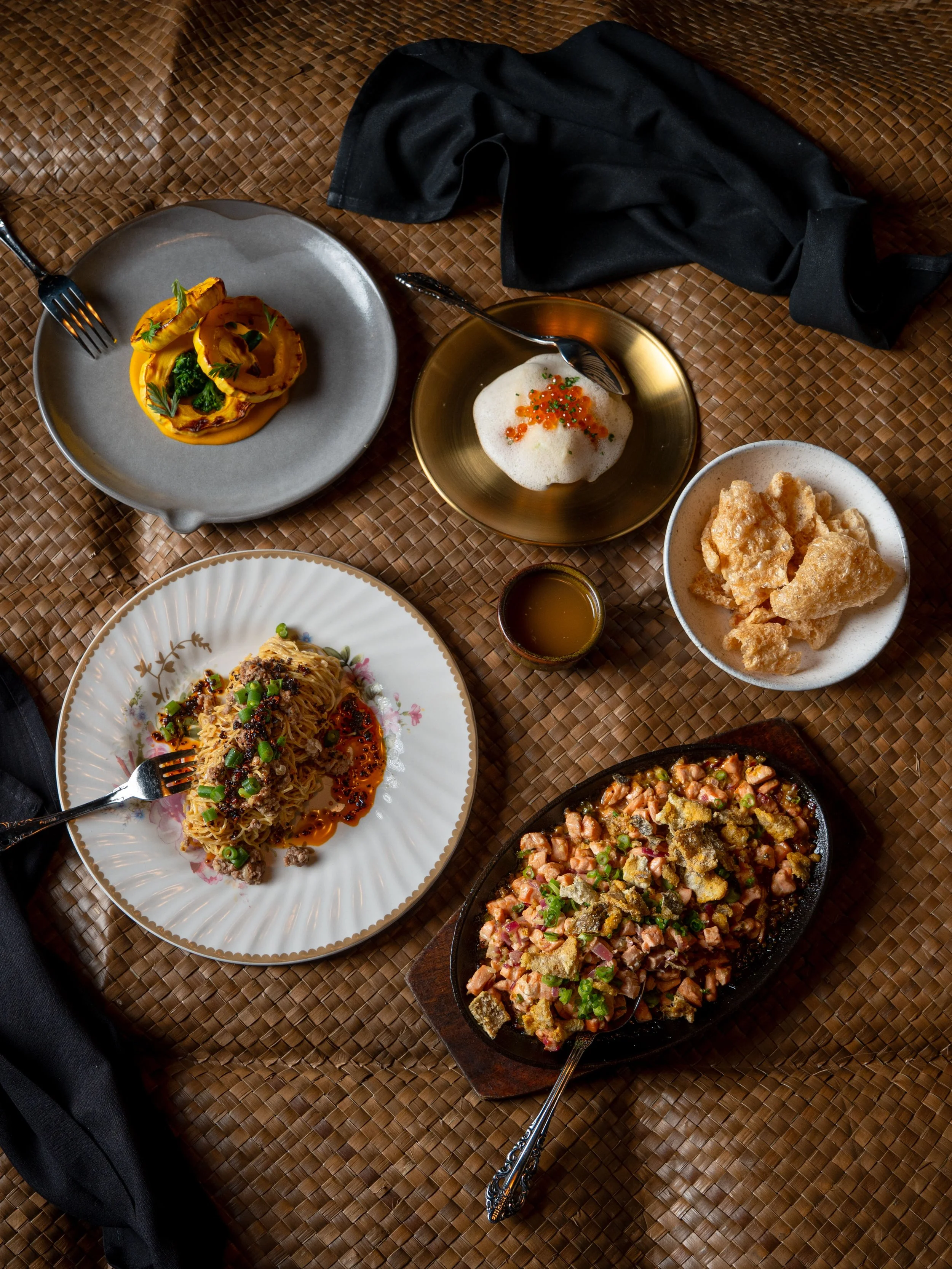
Welcome to The Residency by Istorya
Held every Tuesday and Wednesday, this residency marks Istorya’s first recurring dinner experience after three years of pop-ups and community gatherings across Las Vegas.
Students and educators are always welcome at Istorya.
With a valid Nevada State of Higher Education (NSHE) or Clark County School District (CCSD) ID, enjoy 10% off your total bill—our small way of saying thanks for all that you do.
The Residency Menu
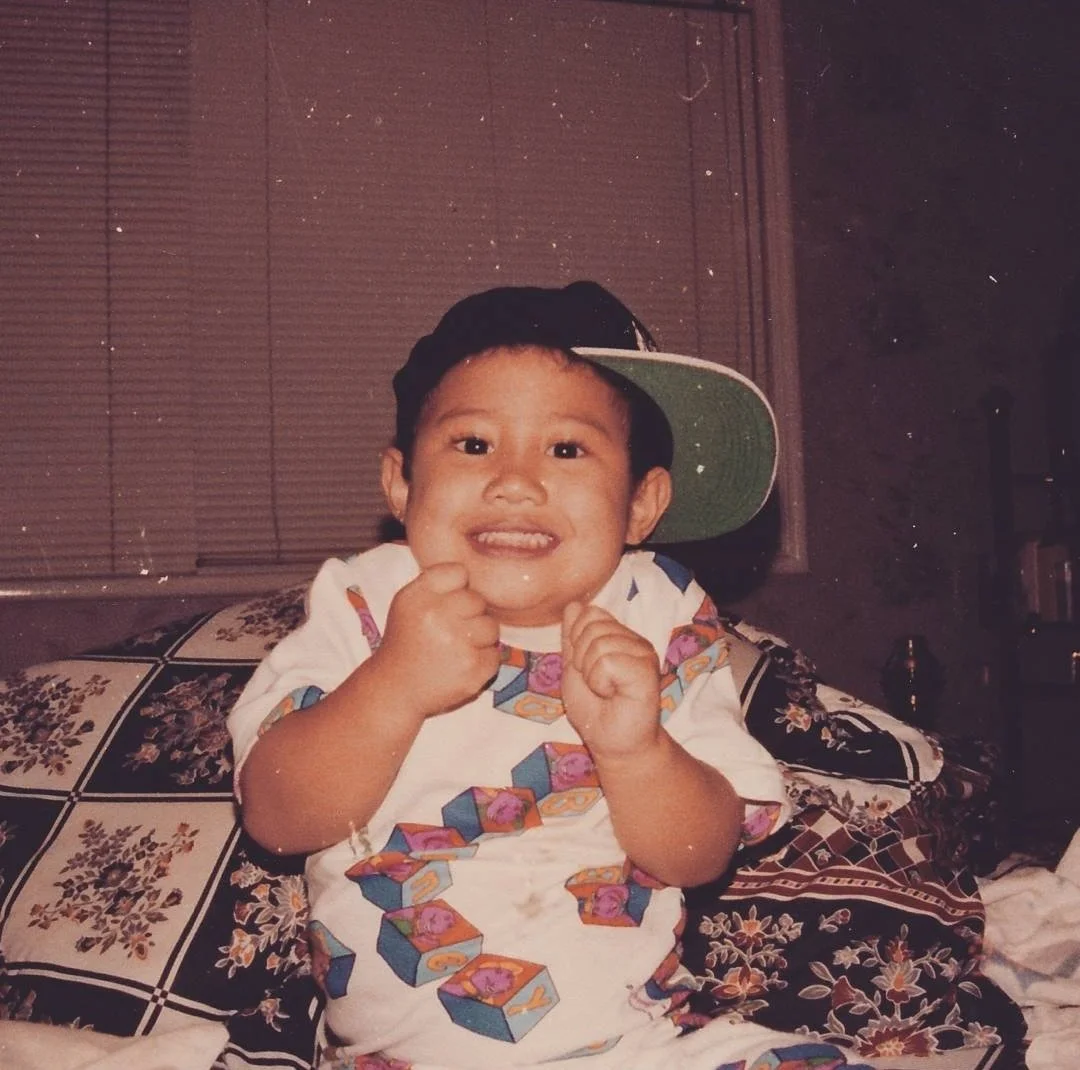
1991
Manila, Philippines
Dio Buan
“He who does not know how to look back at where he came from will never get to his destination…”
— José Rizal (1861-1896)
About The Menu
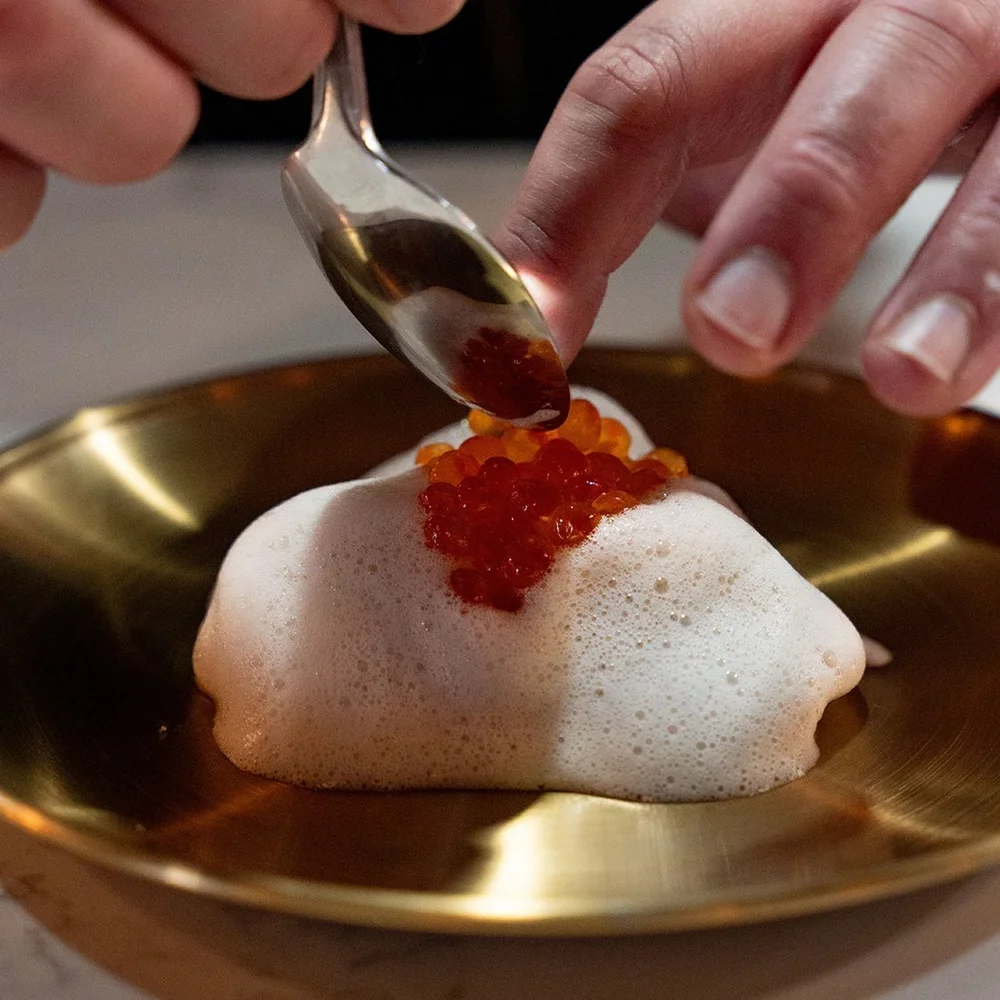
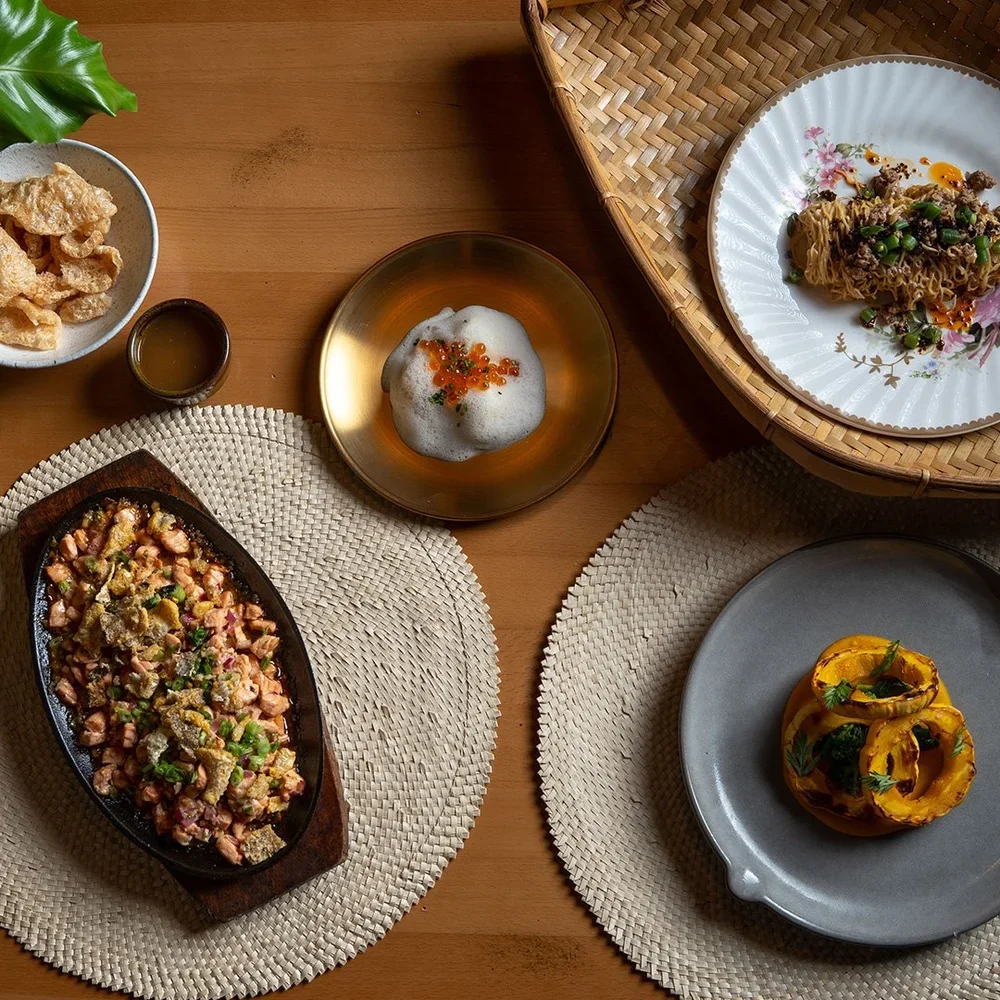
Tonight’s à la carte menu is shaped by Chef Dio Buan’s lived istorya, drawing from the dishes he grew up cooking and eating in Manila before moving to the United States.
The food reflects regional Filipino cuisine informed by history, memory, and technique, bringing together Filipino home cooking traditions and the contemporary styles Chef Dio developed during his career in professional kitchens.
The menu is designed for flexibility. Guests are welcome to order individually or share plates, making this an approachable entry point for those new to Filipino cuisine and a deeper exploration for returning guests.
You may also find select house-made desserts rooted in Filipino home baking traditions, prepared in collaboration with Istorya founder Walbert Castillo’s mother.
Mabuhay
〰️
Mabuhay 〰️

Team Istorya’s Research
-
Adobo
Though of similar naming to Spanish stews, adobo is a pre-colonial and highly varied dish in Filipino cuisine. There are many variations of adobo across the archipelago. A popular version uses vinegar and soy sauce as primary flavor agents, alongside peppercorn and bay leaf. There are some versions that even use coconut milk and salt, rather than soy sauce.
Mushroom
Believed to have played a minor role in the pre-colonial Filipino diet, mostly by way of foraging.
-
Sinigang
Believed to be pre-colonial in nature. Popular contemporary souring agents used include tamarind and/or guava, which originate from South/Central America and came by way of the Galéon trade
Shrimp
Believed to be consumed by Filipinos since before colonization, being a coastal food
Dumpling: Believed to have been introduced to the Filipino culinary repertoire by the Chinese before Spanish colonization
-
Pork
Pork has been consumed in the archipelago since pre-colonial times
Sinuglaw
A portmanteau of the Visayan ‘sinugba,’ meaning ‘to grill,’ and ‘kinilaw,’ a vinegar-marinated dish of seafood. In this case, pork belly is both grilled and dressed with a tangy citrus marinade.
-
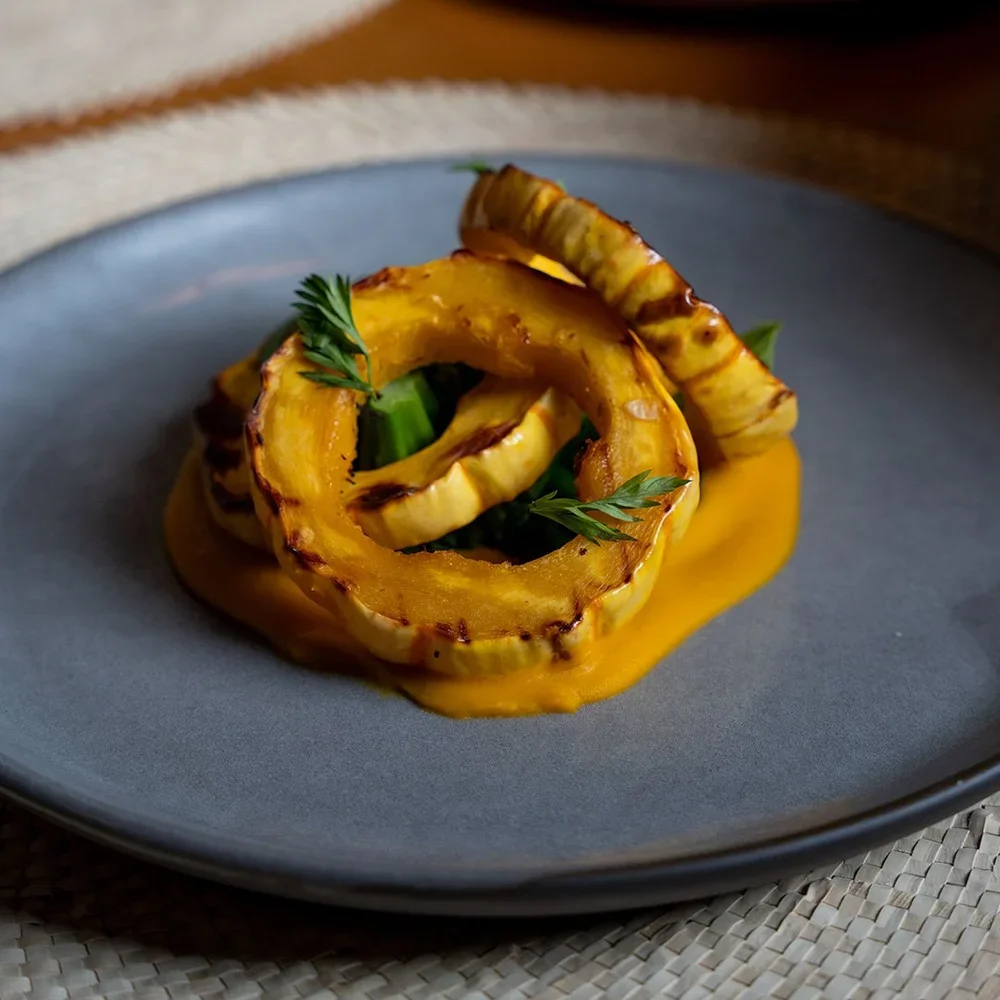
Ginataang
A technique of cooking in coconut milk, has Malay roots.
There are sweet and savory ginataang dishes. Naming structure is ginataang [main ingredient] eg. ginataang hipon = shrimp cooked in coconut milk.
Kabocha squash is used in this dish, but kalabasa is more abundant in the Philippines. Spaniards introduced kalabasa from Mexico.
-
Gising-Gising
Spicy Filipino vegetable stew prepared with sigarilyas (chopped winged beans), ground pork, coconut milk, bagoong, and more siling for heat
The cooking method
Simmering in coconut milk reflects Indigenous culinary practices as a way to rely on local resources and ingredients. Gising-gising is traditionally served hot which allows the creamy coconut milk to complement the spiciness of the dish.
-
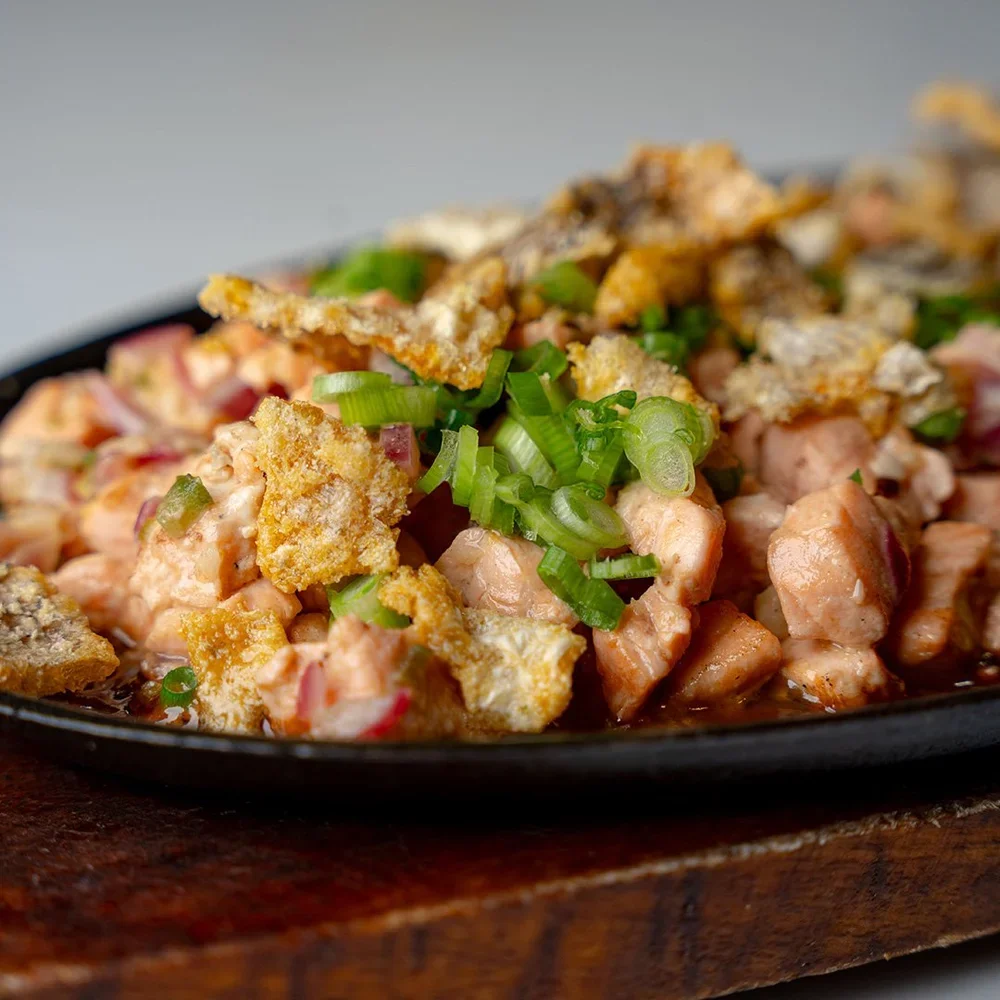
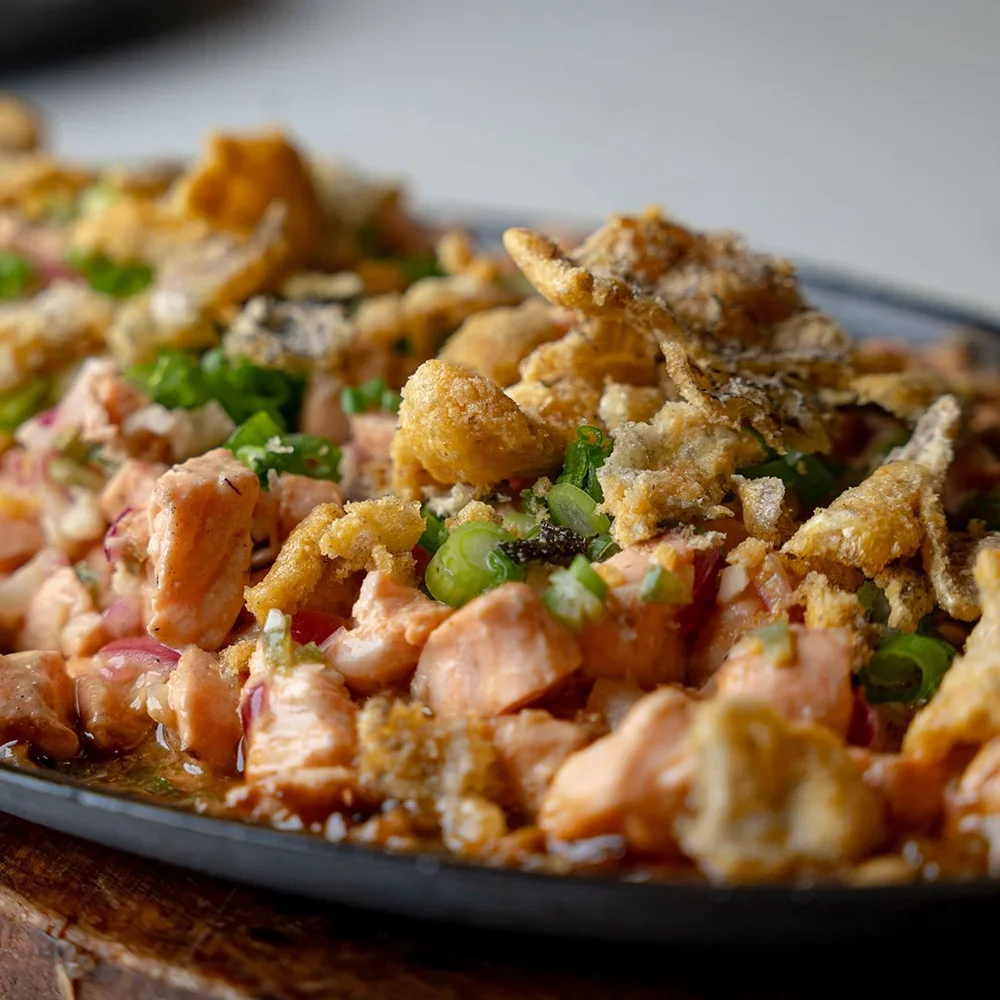
Sisig
The sisig we know today was created by Aling Lucing (Lucia Cunanan) of Angeles City in 1974.
While keeping the core of sisig the same, she introduced new elements by grilling and/or broiling the pig cheeks and snout before chopping them and adding the chicken liver and seasoning.
Why Salmon?
Besides Chef Dio’s Tito using salmon in his sisig, salmon offers a healthier and lighter alternative to the meat used in sisig.
For historical context, we also used salmon as a teaser to our Filipino-American chapter to all the Manongs and Alaskeros who were cannery workers in Alaska and Seattle where salmon was abundant.
-
Filipino flan
Rich and buttery due to high ratio of egg yolks in the recipe, originating from using a surplus of them during the construction of cathedrals during the colonial period
Mama Vi’s notes:
Leche flan was the centerpiece of desserts at fiestas in Lala, Lanao del Norte in Mindanao. She later learned this dish in her Home Economics class in Iligan City.
Meet the Team
-
![]()
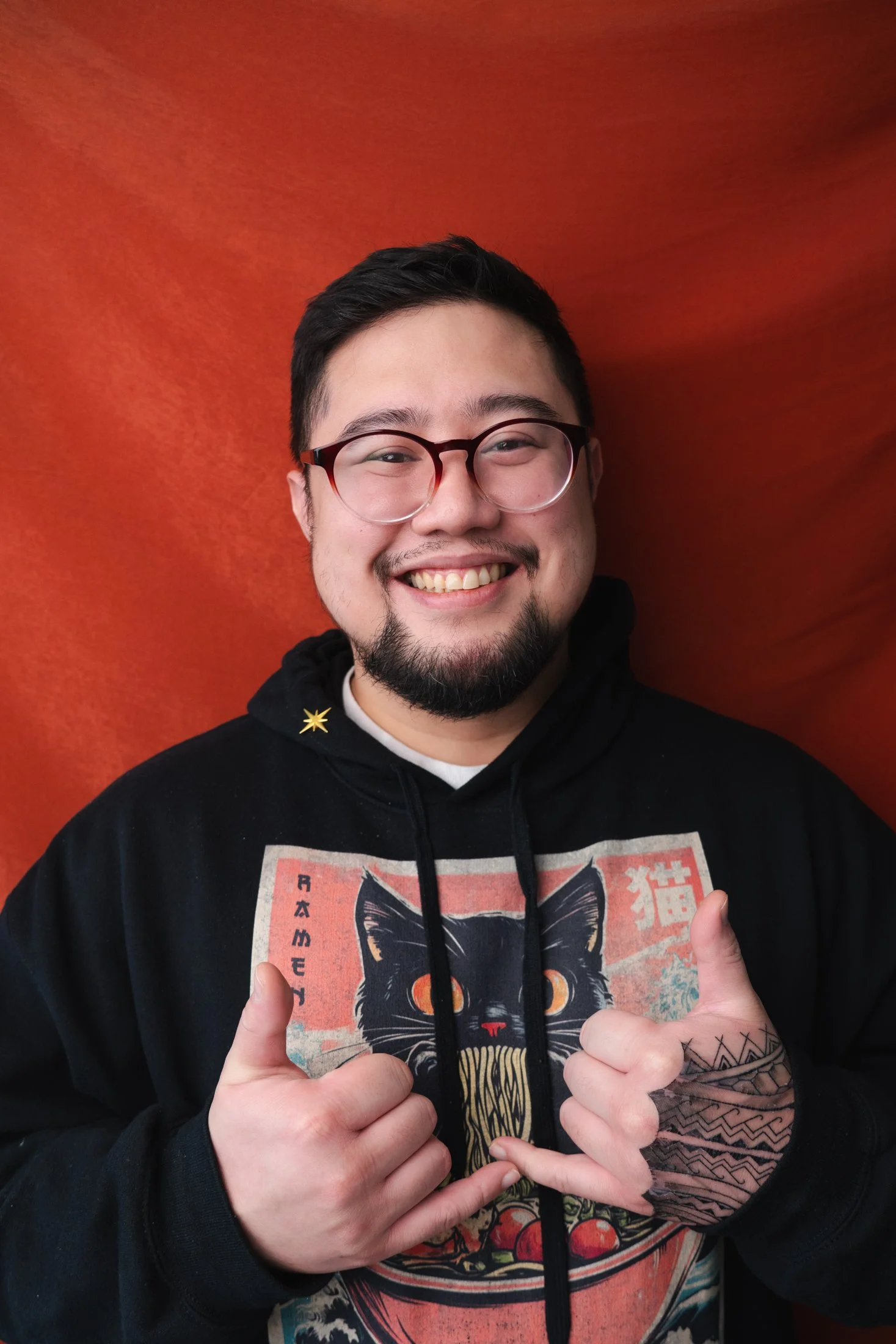
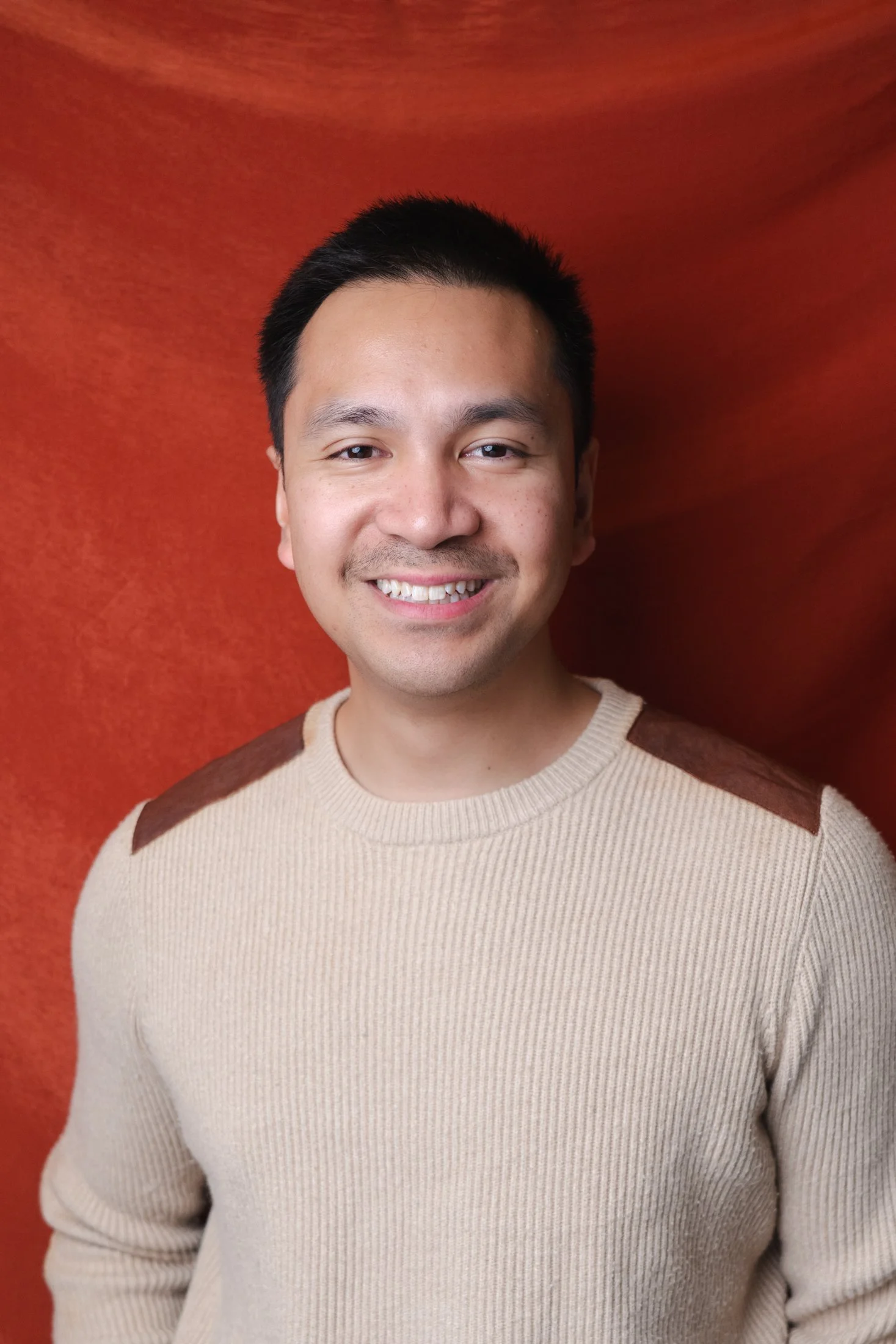
Dio Buan
Chef | @dangerously_delicious702
Joël Robuchon Las Vegas, Chef Dio has trained under culinary leaders such as Bobby Flay and Thomas Keller, as well as under chefs who were directly mentored by the legendary Joël Robuchon, grounding his expertise in both modern American and classic French fine dining traditions.While his early career focused on classical technique, his current work returns to the flavors of his upbringing in Manila. Through Istorya, he reimagines Filipino dishes with the precision of fine dining and the care of home cooking. His approach honors the traditions he grew up with while pushing them forward, one plate at a time.
-
![]()
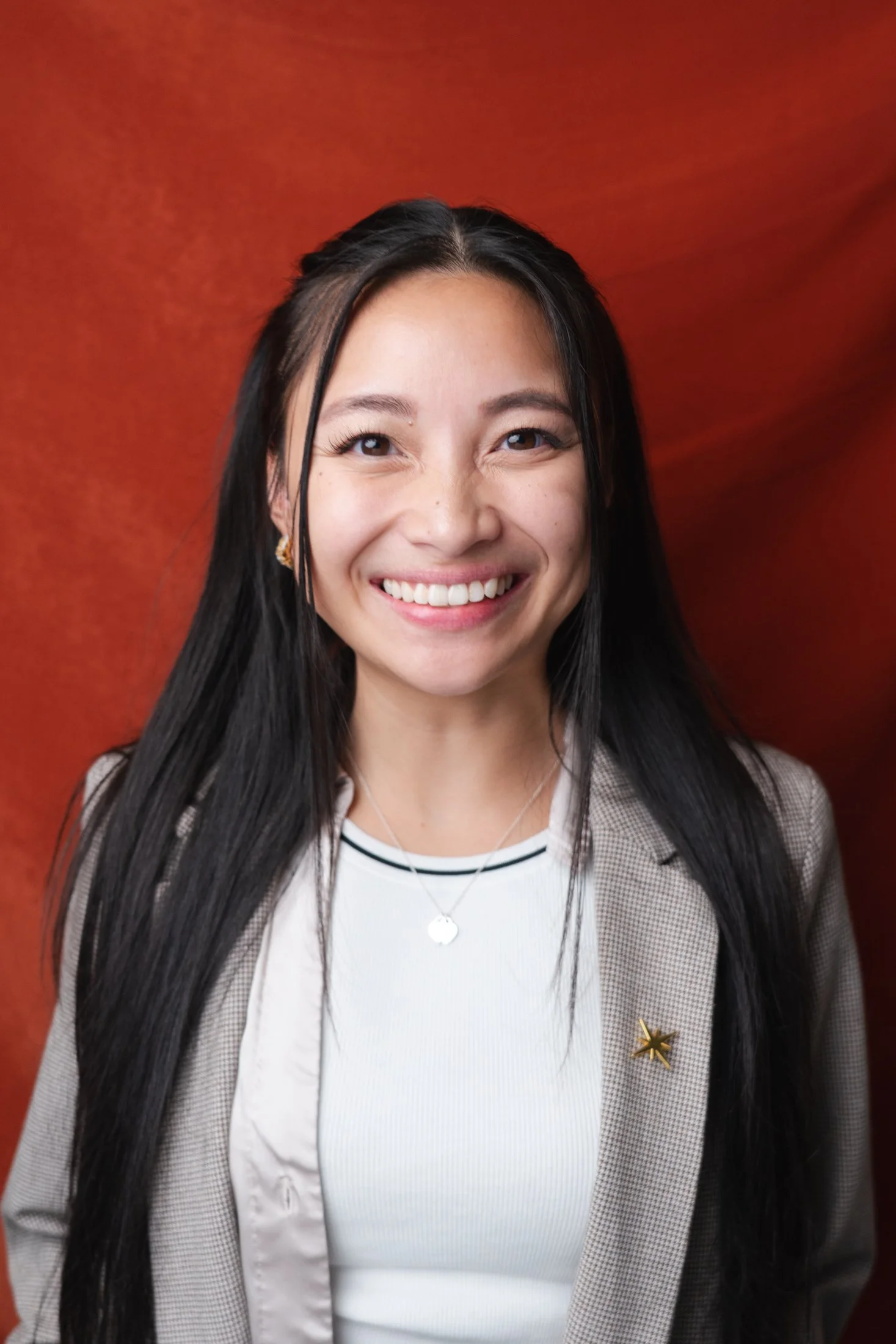
Walbert Castillo
Founder/Co-Owner @walbertjcastillo
Walbert Castillo brings his media background in journalism and documentary storytelling to his role as the founder of Istorya. Currently serving as an Associate Creative Director at Amazon, Walbert combines his passion for storytelling with his deep love for Filipino food and culture to create meaningful culinary experiences.Before launching Istorya, he spent five years as a Multimedia Journalist at USA TODAY in Washington, D.C., and worked as a server and host at Purple Patch, a Filipino restaurant in the heart of the nation’s capital. Originally from Chicago, Walbert holds a journalism degree from the University of Illinois at Urbana-Champaign.
-
![]()
Monica Blanco
Co-Owner/Operations @monnylog
Monica Blanco, Istorya’s Operations Lead, is an engineer turned storyteller who believes imperfection fuels innovation. With a knack for turning chaos into meaningful connections, she’s built a community of over 500,000 across platforms. Monica co-creates spaces like Istorya and FilExcellence to make cultural preservation feel like coming home, blending ancestral knowledge with modern insights.Passionate about transformation, she helps others bridge the gap between who they are and who they’re becoming—while embracing every step of the journey.
-
![]()
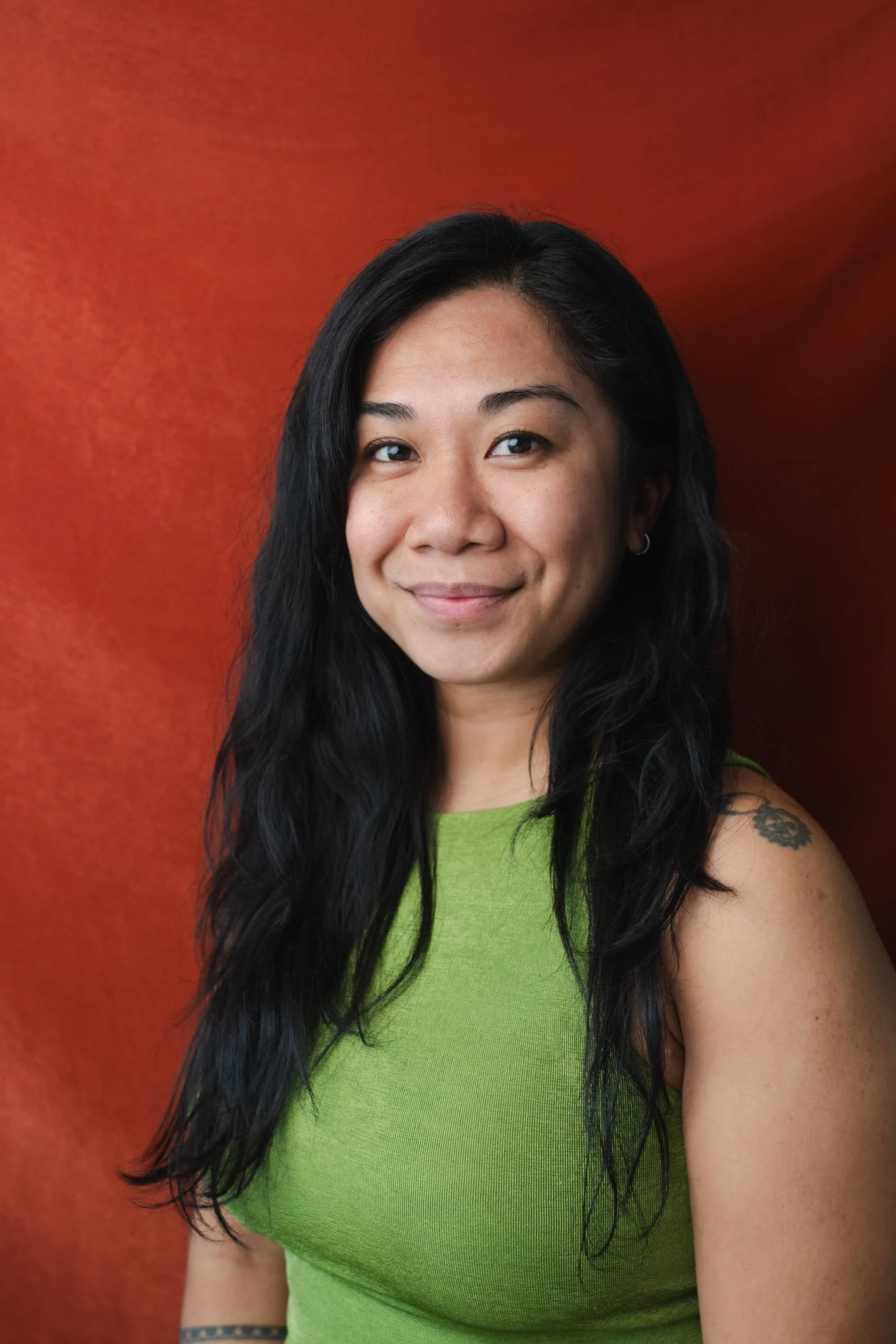
Griselle Tufford
General Manager | @griskeywhipped
Griselle brings her passion for hospitality and culinary excellence to Istorya as our General Manager. She joined the team during our first pop-up dinner in February 2023 and has played a vital role in shaping our events ever since. In addition to her work with Istorya, Griselle is a server at Momofuku Las Vegas, where she continues to hone her skills in the food and beverage industry.Her dedication to exploring Filipino heritage led her to join Istorya’s research trip to Mindanao, where she immersed herself in the region’s rich culinary traditions.
If you’d like to share!
Tag @IstoryaLV and/or leave us a Google Review.
Thoughtful posts and reviews help small, independent projects like ours continue.